Choosing the Right Industrial Dehumidifier for Your HVAC System
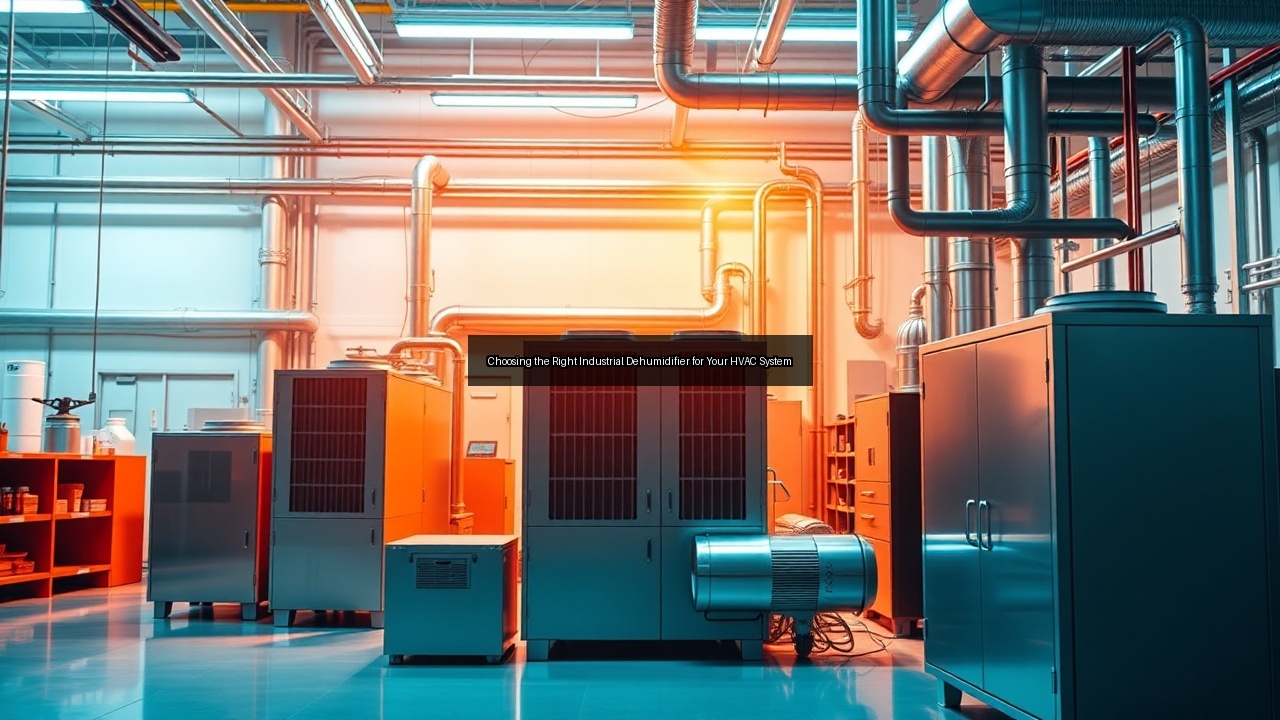
Understanding the Role of Industrial Dehumidifiers in HVAC Systems
The Science of Dehumidification
Dehumidification plays a crucial role in maintaining optimal indoor air quality and comfort. An industrial dehumidifier effectively removes excess moisture from the air, preventing conditions that can lead to mold growth, corrosion, and other moisture-related issues. The process involves cooling the air, allowing moisture to condense and collect in a reservoir, which is then drained away. This cycle continues, ensuring that the air remains at a desired humidity level. The efficiency of this process directly impacts the performance of HVAC systems, as it allows them to operate more effectively and maintain desired temperatures without overworking.
Additionally, the science of dehumidification not only focuses on temperature changes but also on the psychrometric properties of air, including humidity ratio, specific volume, and enthalpy. By understanding these properties, technicians can better design systems that optimize comfort and energy efficiency. The integration of advanced sensors and controls in modern dehumidifiers allows for real-time monitoring and adjustments, ensuring that humidity levels are maintained consistently and efficiently, which is crucial in industrial settings where fluctuations can have significant consequences.
How Air Moisture Affects HVAC Performance
High levels of air moisture can significantly hinder HVAC performance. When humidity levels rise, the system must work harder to cool the air, which can lead to higher energy consumption and increased operational costs. Excess moisture can also create an environment conducive to the growth of mold and mildew, which not only affects air quality but can also damage equipment and materials. By integrating an industrial dehumidifier into an HVAC system, businesses can enhance climate control, prolong equipment lifespan, and maintain a healthier environment for both employees and products.
Moreover, elevated humidity can lead to discomfort among occupants, resulting in decreased productivity and potential health issues. In industrial environments, where machinery and sensitive materials are present, managing moisture levels is not just about comfort; it’s about protecting investments and ensuring compliance with health and safety regulations. This is particularly crucial in sectors like pharmaceuticals and food processing, where excessive moisture can compromise product integrity and safety.
The Importance of Dew Points in Climate Control
Dew point is a critical factor in climate control, as it indicates the temperature at which air becomes saturated with moisture. When dew points are high, humidity levels rise, leading to discomfort and inefficiency in HVAC operations. Understanding dew points helps in selecting the right industrial dehumidifier, as different models address varying humidity challenges. Keeping the dew point in check ensures that HVAC systems can function optimally, maintaining a comfortable and controlled atmosphere in industrial settings.
Furthermore, monitoring dew points can be particularly beneficial during transitional seasons when dehumidify external temperatures fluctuate significantly. This knowledge allows facility managers to anticipate changes in indoor humidity and adjust their HVAC strategies accordingly, ensuring that humidity levels remain within the desired range. In addition, having a clear understanding of dew points can aid in energy management, as it allows for more nuanced control of HVAC systems, leading to reduced energy costs and enhanced sustainability practices.
Choosing the Right Type of Industrial Dehumidifier
Comparing Refrigerant vs. Desiccant Dehumidifiers
When selecting an industrial dehumidifier, understanding the differences between refrigerant and desiccant types is essential. Refrigerant dehumidifiers work by cooling the air, causing moisture to condense. They are highly efficient in environments with high humidity and moderate temperatures, making them suitable for many industrial applications. However, they may become less effective in environments with low temperatures or very high humidity levels.
On the other hand, desiccant dehumidifiers use hygroscopic materials, such as silica gel or lithium chloride, to absorb moisture from the air. These units are particularly beneficial in low-temperature environments and applications that require extremely low humidity levels, such as in the pharmaceutical industry. Each type has its advantages and is suitable for specific conditions, so assessing the environmental requirements will help in making the right choice. For instance, the initial investment in desiccant units may be higher, but their long-term energy savings in specific applications can make them more cost-effective over time.
Factors to Consider: CFM and Blower Capacity
When evaluating industrial dehumidifiers, consider the airflow capacity measured in Cubic Feet per Minute (CFM). CFM indicates how much air the dehumidifier can process, influencing its effectiveness in large industrial spaces. A higher CFM allows the unit to control humidity more efficiently, essential for expansive areas like warehouses or manufacturing plants. Additionally, the blower capacity complements CFM by determining how forcefully the unit circulates air throughout the space. Selecting a dehumidifier that matches the specific CFM and blower requirements of your facility ensures optimal performance and effective moisture control.
It is also important to factor in the layout of the space and any potential airflow obstructions. For instance, if a facility includes multiple rooms or partitions, a more powerful blower may be necessary to ensure that dehumidified air reaches all corners of the space. Utilizing airflow analysis tools and consulting with HVAC professionals can help in accurately determining the necessary specifications for your environment.
Selecting Dehumidifiers for Specific Industries (Food Packaging, Electronics, Pharmaceutical)
Different industries have unique humidity requirements, making it vital to choose the right industrial dehumidifier tailored to specific applications. In the food packaging industry, maintaining low humidity prevents spoilage and extends product shelf life. Dehumidifiers used in food packaging must operate efficiently to avoid adverse effects on food quality. For example, excess moisture can lead to microbial growth, which poses a significant risk to food safety.
The electronics industry also demands strict humidity control to protect sensitive components from moisture damage. High humidity can lead to corrosion and short-circuiting, making reliable dehumidification essential. In the pharmaceutical industry, maintaining precise humidity levels is critical for product integrity and compliance with stringent regulations. The wrong humidity can alter drug efficacy or lead to contamination, thus having the right dehumidification system in place is non-negotiable. Understanding the specific needs of each sector ensures the selection of the most effective dehumidification solution, and collaborating with industry experts can provide valuable insights into best practices for humidity management.
Installation and Maintenance of Industrial Dehumidifiers
Best Practices for Installation in Industrial Locations
Proper installation of industrial dehumidifiers significantly influences their performance and longevity. Begin by assessing the workspace and determining the ideal location for the unit, ensuring it is free from obstructions that might impede airflow. Install the dehumidifier close to moisture sources for maximum efficiency, and ensure that drainage systems are well-planned to handle condensate effectively. Electrical connections should meet safety standards and provide adequate power for the unit's operation. Following these best practices during installation will help maintain optimal performance and enhance the overall lifespan of the dehumidifier.
Additionally, it is prudent to consider the environment in which the dehumidifier will operate. Factors such as ambient temperature, potential exposure to dust and chemicals, and the nature of the processes occurring nearby can all influence the installation site choice. Properly evaluating these factors ensures that the dehumidifier can function under optimal conditions, further enhancing its efficiency and effectiveness in moisture control.
Regular Maintenance and Troubleshooting Tips
Routine maintenance is essential for the longevity and efficiency of industrial dehumidifiers. Regularly check and clean the air filters to ensure unobstructed airflow, which is vital for effective dehumidification. Inspect the condensate drain for blockages to prevent overflow and potential damage. Scheduling periodic professional servicing can help identify and resolve issues before they escalate. Familiarizing yourself with troubleshooting tips, such as monitoring humidity levels and checking for unusual noises or performance drops, can also aid in maintaining optimal operation. Proactive maintenance keeps the dehumidifier functioning efficiently and extends its operational lifespan.
Moreover, it is beneficial to maintain a log of maintenance activities and any observed issues. This documentation can help track performance trends over time and assist in diagnosing problems, making it easier to implement corrective actions when needed. Implementing a maintenance schedule based on the manufacturer's recommendations and the specific operational demands of the facility can ensure that the dehumidifier continues to operate at peak efficiency.
Signs Your Dehumidifier Needs Attention
Monitoring the performance of your industrial dehumidifier is essential for identifying when it requires attention. Common signs include a noticeable increase in humidity levels, unusual noises during operation, or frequent cycling on and off. If the unit fails to maintain set humidity levels, it may indicate a malfunction or need for servicing. Additionally, water pooling around the unit or a full condensate reservoir can signal problems with drainage or internal components. Addressing these issues promptly ensures the continued effectiveness of the dehumidifier and helps maintain the overall climate control within industrial settings.
Additionally, be on the lookout for changes in the environment that may indicate the dehumidifier is not performing as expected. For example, the presence of condensation on surfaces or an increase in allergens and irritants in the air can signify an issue with humidity control. Regularly consulting with dehumidifying HVAC professionals for performance evaluations can provide further insights and preventative measures, ensuring ongoing efficiency and reliability.
See Also
- The Silent Guardians of Industry How Industrial Dehumidifiers Prevent Moisture Damage
- Troubleshooting Common Issues with Industrial Dehumidifiers for Smooth Operations
- Mastering Humidity Control with Industrial Dehumidifiers for Optimal Production
- The Role of Industrial Dehumidifiers in Food Packaging Preservation
- The Science Behind Effective Dehumidifying in Industrial Environments