Cost Breakdown of Custom Plastic Injection Molding: What to Expect
Understanding Custom Plastic Injection Molding Costs
Overview of the Injection Molding Process
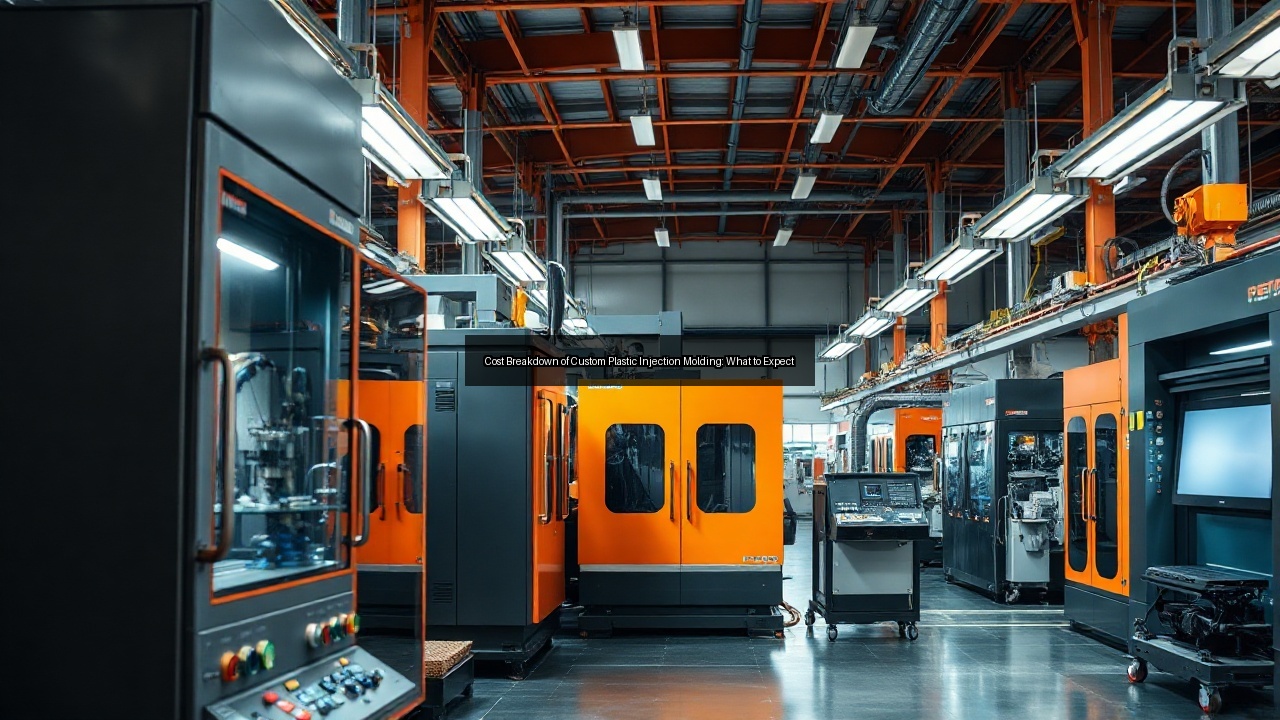
Custom plastic injection molding involves a precise and efficient manufacturing process that transforms raw plastic materials into finished products. The process begins with the melting of plastic pellets, which then get injected into a mold under high pressure. This mold, designed to the specifications of the desired part, shapes the molten plastic as it cools and solidifies. Once cooled, the mold opens, and the finished product ejects, ready for further processing or assembly. This method allows for high-volume production of complex shapes with tight tolerances, making custom plastic injection molding a popular choice for industries ranging from automotive to consumer goods.
Factors Influencing Cost
Several factors play a crucial role in determining the cost of custom plastic injection molding. The complexity of the part design significantly impacts pricing; intricate geometries require more sophisticated molds and longer production times. The choice of material also affects costs; for instance, thermoplastics generally offer lower prices compared to specialty materials like liquid silicone rubber (LSR). Additionally, the volume of parts ordered influences unit costs; higher production runs typically lead to lower per-unit costs due to economies of scale. Finally, the geographical location of the manufacturing facility can introduce variances in labor and operational costs, further affecting the overall pricing structure.
Common Materials Used in Custom Molding
Custom plastic injection molding utilizes a variety of materials, each selected based on the performance requirements of the final product. Common thermoplastics, such as ABS, polycarbonate, and polypropylene, offer good mechanical properties, making them suitable for a wide range of applications. In contrast, LSR is preferred for applications requiring flexibility and durability, such as seals and gaskets. The choice of material also influences the mold design; for example, more aggressive materials may necessitate hardened steel molds to withstand wear. Understanding the properties of each material helps manufacturers choose the right one for their specific needs, ultimately impacting the performance and cost of the injection molded parts.
Types of Molding Techniques and Their Costs
Comparing Overmolding and Insert Molding
Overmolding and insert molding are two specialized techniques within the realm of custom plastic injection molding, each offering unique advantages and cost implications. Overmolding involves the injection of a second material over an existing part, typically enhancing grip or comfort, such as adding a soft-touch TPR over a rigid plastic core. Insert molding, on the other hand, involves placing metal or other components into the mold before injecting plastic around them, creating a single unit with integrated features like threaded inserts. While both techniques add value and functionality to products, they can increase production complexity and costs, especially with regard to tooling and setup. Manufacturers must weigh these factors when determining the best approach for their specific applications.
Cost Implications of Different Injection Molds
The type of injection molds used significantly impacts the overall cost of custom plastic injection molding projects. Basic molds, often made from aluminum, are less expensive but may not withstand high-volume production runs due to wear and tear. Steel molds, while more costly initially, are durable and suited for long-term production, offering better returns on investment for high-volume orders. Additionally, the design complexity of the mold itself—such as the number of cavities, cooling channels, and ejection systems—affects both the upfront costs and the efficiency of the molding process. Understanding these nuances helps businesses anticipate their budget and make informed decisions regarding mold selection.
The Role of 3D Printing in Prototyping and Cost Reduction
3D printing has transformed the prototyping phase of custom plastic injection molding, enabling rapid design iterations and cost savings. When creating a new product, 3D printing allows designers to quickly produce prototypes to test functionality, fit, and aesthetics before committing to expensive molds. This process not only accelerates the development timeline but also reduces costs associated with traditional prototyping methods. Moreover, 3D printing can facilitate the production of low-volume parts that might not justify the expense of injection molds. As a result, this technology plays a critical role in enhancing the efficiency of the overall product development cycle, allowing businesses to bring their custom molded products to market faster and more economically.
Additional Costs Associated with Custom Plastic Injection Molding
Machining and Tooling Expenses
Machining and tooling represent significant expenses in the custom plastic injection molding process. Creating a mold requires precision machining, which often involves CNC machining or electrical discharge machining (EDM) to achieve the required tolerances. These processes add to the initial investment, particularly for complex molds that necessitate intricate designs. Tooling costs vary depending on mold complexity, material choice, and production volumes. Additionally, maintenance of molds over time also incurs costs, as regular inspections and repairs are essential to ensure optimal performance and product quality. Businesses must account for these factors in their budgeting to avoid unexpected financial burdens.
Surface Finishes and Their Impact on Pricing
Surface finishes play a vital role in the aesthetic appeal and functionality of injection molded parts, yet they also contribute to overall costs. Various surface treatments, such as laser engraving, polishing, or texturing, can enhance the appearance of a product while providing additional benefits like improved grip or reduced friction. However, these finishes require additional processing time and resources, which can lead to increased costs. Manufacturers need to balance the benefits of enhanced finishes against their budget constraints, determining which treatments align with their product goals and market expectations.
Inspection and Quality Assurance Costs
Maintaining high quality in custom plastic injection molding is essential for customer satisfaction and compliance with industry standards. Inspection and quality assurance processes add another layer of costs to the overall project. Techniques such as visual inspection, measurement using specialized tools, and material testing ensure that the final products meet specified tolerances and design requirements. Implementing ISO 9001 standards can further enhance quality control processes, but it also requires investment in training and systems. Companies must prioritize these expenses in their overall budget to guarantee the reliability and performance of their custom molded products.
Evaluating the Overall Value of Custom Plastic Injection Molding
Long-term Cost Benefits of Custom Manufacturing
Investing in custom plastic injection molding offers long-term cost benefits, particularly for businesses looking to scale production. While the initial costs associated with mold creation and setup can be high, the ability to produce high volumes of parts efficiently leads to lower per-unit costs as production scales. Additionally, custom molding caters to specific design requirements, reducing the need for secondary operations and additional components. This streamlined approach not only enhances product quality but also contributes to cost savings over time, making custom plastic injection molding a strategic choice for companies prioritizing efficiency and profitability.
Understanding ISO 9001 Implications
ISO 9001 certification represents a commitment to quality management and continuous improvement in manufacturing processes. For companies engaged in custom plastic injection molding, adhering to ISO 9001 standards can enhance operational efficiency and customer satisfaction. This certification requires rigorous documentation, regular audits, and a focus on customer feedback, all of which can incur additional costs initially. However, the long-term benefits include improved product quality, reduced waste, and enhanced reputation in the market, making it a worthwhile investment for manufacturers seeking to differentiate themselves in a competitive landscape.
Choosing the Right Plastic Injection Molding Company
Selecting the right plastic injection molding company is crucial for ensuring successful project outcomes. Factors such as expertise, technological capabilities, and production capacity should guide this decision. A reputable company will have a proven track record in custom manufacturing, offering a range of services including design consultation, prototyping, and full-scale production. It's essential to evaluate potential partners based on their experience with various materials and molding techniques, such as overmolding and insert molding, to ensure they can meet specific project needs. Investing time in choosing the right partner ultimately leads to better quality products and a smoother production process, enhancing the overall value of custom plastic injection molding.