Exploring the Intersection of AS9100 and ITAR Regulations
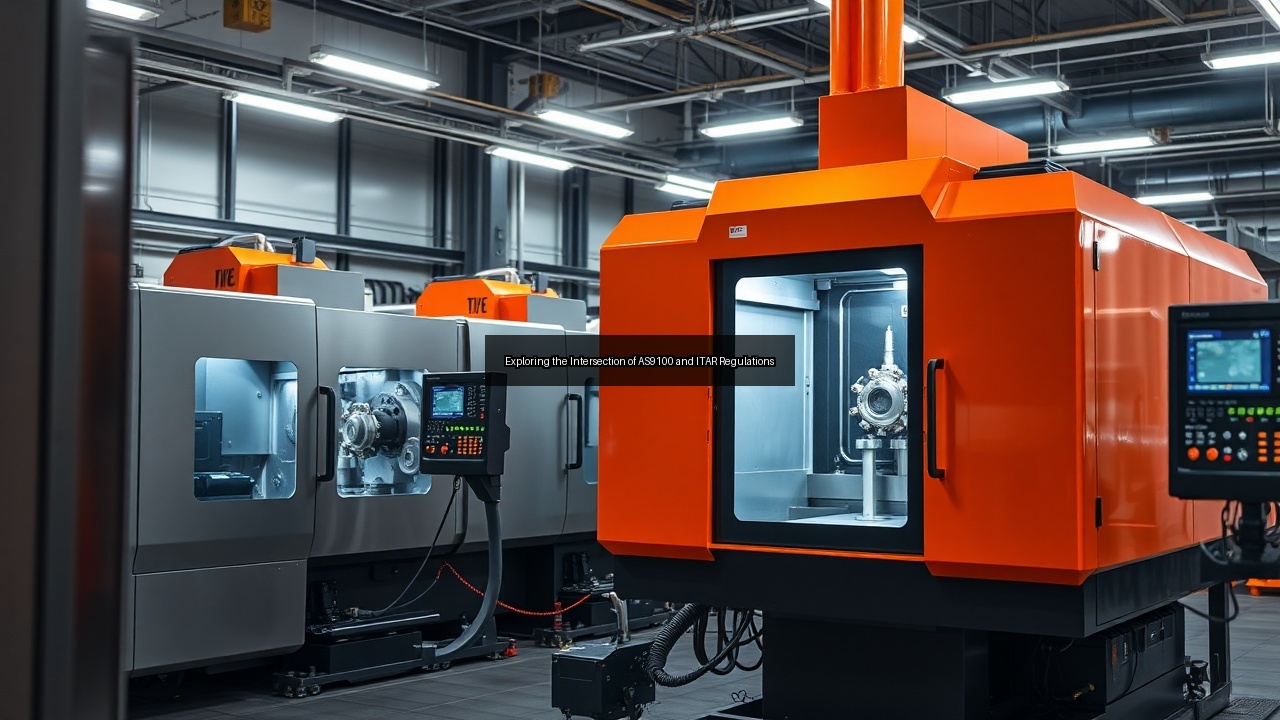
Understanding AS9100 and ITAR Regulations
Overview of AS9100 Certification
AS9100 certification stands as a cornerstone in the aerospace manufacturing industry, ensuring that companies meet stringent quality management standards. This certification, built upon the foundation of ISO 9001, specifically tailors its requirements to address the unique needs of aerospace manufacturers. Organizations pursuing AS9100 certification must demonstrate their ability to consistently provide products that meet customer and regulatory requirements, thereby enhancing customer satisfaction. The certification process involves a thorough evaluation of a company's quality management system, focusing on its ability to manage processes effectively, control quality, and ensure continuous improvement. For aerospace manufacturers, achieving AS9100 certification not only validates their commitment to quality but also strengthens their competitive edge in a demanding market.
Introduction to ITAR Regulations
The International Traffic in Arms Regulations (ITAR) governs the export and import of defense-related articles and services. ITAR compliance is crucial for any aerospace manufacturer involved in military applications or working with sensitive technologies. These regulations aim to safeguard national security and foreign policy interests by controlling the flow of military-related technologies. For manufacturers, ITAR requires rigorous adherence to strict guidelines regarding the handling, storage, and dissemination of technical data. Non-compliance can lead to severe penalties, including fines and legal repercussions, which underscores the importance of integrating ITAR regulations into the operational framework of aerospace manufacturing. Understanding ITAR is essential for manufacturers seeking to navigate the complexities of military contracts and partnerships.
The Importance of Compliance in Aerospace Manufacturing
Compliance with both AS9100 aerospace AS9100 machining and ITAR regulations plays a vital role in maintaining the integrity and safety of aerospace products. For manufacturers, adhering to these standards fosters trust among customers and stakeholders while ensuring that products meet high safety and reliability benchmarks. In the competitive landscape of the aerospace industry, compliance is not merely a regulatory obligation; it serves as a strategic advantage. Companies that prioritize compliance signal their commitment to quality assurance and ethical practices, which can enhance their reputation and attract new business opportunities. Furthermore, as the aviation sector evolves, the continuous integration of advanced technologies necessitates a robust compliance framework to address emerging challenges and innovations.
The Role of AS9100 in Aerospace Machining
Quality Control and Assurance in CNC Machining
Quality control and assurance are paramount in CNC machining, particularly within the aerospace sector. AS9100 emphasizes the importance of these practices by establishing stringent guidelines for machining processes. Aerospace manufacturers utilize CNC (Computer Numerical Control) machines to achieve high precision in producing parts for aircraft and spacecraft. The integration of AS9100 standards into CNC machining operations ensures that every component meets the necessary specifications and tolerances. This focus on aerospace AS9100 machining quality control minimizes defects, reduces waste, and enhances overall efficiency, leading to improved product reliability. Aerospace manufacturers adopting AS9100 in their CNC machining practices can deliver superior quality products that meet both customer expectations and regulatory requirements, solidifying their position in the market.
Impact on Aerospace Manufacturers and Supply Chain
The impact of AS9100 certification extends beyond individual manufacturers to the entire aerospace supply chain. Certification fosters a culture of quality that resonates throughout the supply chain, encouraging suppliers to adhere to similar standards. This alignment enhances communication and collaboration among stakeholders, ultimately leading to a more efficient and responsive supply chain. Aerospace manufacturers benefit from reduced lead times, improved supplier performance, and enhanced traceability of materials and processes. In an industry where safety and reliability are non-negotiable, the integration of AS9100 standards into the supply chain ensures that all components meet rigorous quality benchmarks. Manufacturers can confidently rely on their suppliers to deliver high-quality materials and parts, facilitating smoother operations and better project outcomes.
Materials Used in AS9100 Machining: Titanium, Aluminum Alloys, and Stainless Steel
The choice of materials in AS9100 machining significantly influences the quality and performance of aerospace components. Titanium, aluminum alloys, and stainless steel are commonly used in aerospace applications due to their exceptional strength-to-weight ratios and corrosion resistance. Titanium, known for its lightweight and high strength, is ideal for critical aerospace components, including turbine blades and structural parts. Aluminum alloys, with their versatility and low density, are widely used in aircraft structures and components. Stainless steel, prized for its durability and resistance to extreme conditions, finds applications in various aerospace parts. The machining of these materials requires precision and expertise, as even minor deviations can impact performance. AS9100 certification ensures that manufacturers have the necessary processes in place to handle these materials effectively, resulting in high-quality, reliable components for the aerospace industry.
Integrating ITAR with AS9100 in Aerospace Design and Manufacturing
Challenges of Compliance in Military Applications
Integrating ITAR compliance with AS9100 certification presents unique challenges for aerospace manufacturers, particularly those involved in military applications. The dual compliance demands rigorous attention to detail in managing sensitive technologies while maintaining high-quality standards. Manufacturers must navigate complex regulations that govern the export of defense-related products, which can complicate design and manufacturing processes. Ensuring that all personnel are trained in ITAR requirements adds another layer of complexity, as manufacturers must foster a culture of compliance within their organizations. Additionally, maintaining compliance can be resource-intensive, requiring investments in training, documentation, and quality assurance systems. Aerospace manufacturers must develop robust strategies to address these challenges, ensuring they can meet both ITAR and AS9100 requirements effectively.
Best Practices for Managing Dual Compliance
Successfully managing dual compliance with AS9100 and ITAR involves implementing best practices that streamline processes and enhance operational efficiency. First, manufacturers should conduct comprehensive training programs for employees to ensure they understand both sets of regulations. This training should cover the implications of non-compliance and the importance of adhering to quality management systems. Second, establishing a dedicated compliance team can facilitate ongoing monitoring of changes in regulations and help maintain adherence to both AS9100 and ITAR. Third, leveraging technology for documentation and process management can simplify compliance efforts, allowing for efficient tracking of quality control measures and ITAR restrictions. By fostering a culture of compliance and investing in the right tools, aerospace manufacturers can navigate the complexities of dual compliance effectively.
Technological Innovations Supporting Compliance
Technological innovations play a pivotal role in supporting compliance with AS9100 and ITAR regulations in aerospace manufacturing. Advanced software solutions for quality management systems enable manufacturers to automate compliance tracking, ensuring that all processes align with regulatory requirements. Additionally, data analytics can identify trends and potential compliance issues, allowing manufacturers to address them proactively. Technologies such as blockchain can enhance traceability throughout the supply chain, ensuring that all materials and components meet necessary standards. Furthermore, secure data management systems facilitate the protection of sensitive information, crucial for ITAR compliance. By embracing these technological advancements, aerospace manufacturers can streamline their operations, enhance compliance efforts, and ultimately deliver high-quality products that meet both AS9100 and ITAR standards.
Future Trends in AS9100 Machining within the Aerospace Industry
The Role of Leadership in Quality Management
Leadership plays a critical role in fostering a culture of quality management in aerospace manufacturing. Effective leaders set the tone for compliance with AS9100 standards and drive the organization's commitment to continuous improvement. They inspire teams to prioritize quality control and encourage open communication about challenges and innovations. Strong leadership also ensures that the necessary resources are allocated to maintain compliance and improve processes. As the aerospace industry evolves, leaders must adapt to new challenges and embrace innovative practices that enhance quality management. By cultivating a culture of excellence, leadership can significantly impact the overall performance of aerospace manufacturers, ensuring they remain competitive in a rapidly changing landscape.
Emerging Technologies in Aerospace Machining
Emerging technologies are revolutionizing AS9100 machining practices within the aerospace industry. Innovations such as additive manufacturing, machine learning, and advanced robotics are enhancing precision and efficiency in machining processes. Additive manufacturing, or 3D printing, allows for the production of complex geometries that traditional machining cannot achieve, enabling manufacturers to create lightweight components that meet stringent aerospace standards. Machine learning algorithms can analyze data from machining processes to identify patterns and optimize workflows, significantly reducing waste and improving quality. Additionally, robotics are increasingly being integrated into machining operations, providing consistent accuracy and reliability. These technological advancements empower aerospace manufacturers to enhance their AS9100 machining capabilities, ultimately leading to superior products and increased competitiveness.
Customer Expectations and Market Innovation
Customer expectations in the aerospace industry have evolved, driving manufacturers to innovate continuously. Clients demand not only high-quality products but also transparency and compliance with industry standards such as AS9100. Manufacturers must adapt to these expectations by implementing robust quality management systems and ensuring that every component meets rigorous safety and performance criteria. Market innovation is increasingly focused on sustainability and efficiency, pushing manufacturers to explore new materials and processes that align with these values. By addressing customer expectations and embracing innovation, aerospace manufacturers can differentiate themselves in a crowded marketplace and build lasting relationships with clients. Meeting these expectations requires a AS9100 machined commitment to quality, compliance, and continuous improvement, hallmarks of AS9100 certification.