Lightweight Yet Durable Discovering Spun Aluminum Alloys
Understanding Spun Aluminum Alloys
What Are Spun Aluminum Alloys?
Spun aluminum alloys are created through a specialized manufacturing technique known as metal spinning. This process involves shaping a flat disc of aluminum into a seamless, hollow form by rotating it at high speeds against a mold. The result is a strong yet lightweight structure that maintains the inherent properties of aluminum. Various alloys, including those that incorporate copper, enhance specific characteristics such as strength, durability, and resistance to corrosion. Spun aluminum finds use in a wide range of applications due to its versatility and enhanced performance compared to traditional aluminum sheets or other spun metals.
Properties of Spun Aluminum
Spun aluminum exhibits several notable properties that make it an attractive choice for manufacturers and designers. Its lightweight nature allows for easy handling and installation, reducing transportation costs and improving efficiency. The durability of spun aluminum provides resistance to wear, tear, and environmental factors, making it suitable for both indoor and outdoor applications. Additionally, spun aluminum exhibits excellent thermal conductivity and corrosion resistance, enhancing its performance in various industrial settings. The flexibility in design also permits intricate shapes and customizations that cater to specific project needs, ensuring a perfect fit for diverse applications.
Advantages of Using Spun Aluminum
Choosing spun aluminum offers numerous advantages over other materials, especially in comparison to traditional metal stamping methods. The metal spinning process allows for the creation of seamless, uniform shapes that minimize the risk of weak points often associated with welded or joined metal sections. This seamless design contributes to the overall strength of the finished product. Furthermore, spun aluminum is cost-effective due to reduced material waste during production. The ability to form complex geometries also opens new avenues for innovative designs in various industries, from aerospace to artistic endeavors, making spun aluminum a preferred choice for many applications.
The Metal Spinning Process
Introduction to Metal Spinning
Metal spinning, also known as spin forming, is a manufacturing technique that transforms flat metal discs into cylindrical or conical shapes. This process utilizes high-speed rotation to mold the metal against a tool or die. Spinning is particularly effective for materials like aluminum, which possess excellent malleability. The method stands out for its efficiency and versatility, allowing for the production of both small and large quantities with consistent quality. Industries ranging from automotive to aerospace utilize metal spinning for components that require precision and reliability, demonstrating its significance in modern manufacturing.
Steps in the Metal Spinning Process
The metal spinning process involves several distinct steps that ensure the creation of high-quality spun aluminum products. Initially, a round disc of aluminum is selected based on the desired specifications. This disc is then mounted onto a spinning lathe, where it is rotated at high speeds. As the disc spins, a tool is applied to the surface, gradually shaping it against a mold. This process continues until the desired form is achieved. After spinning, the component may undergo additional processes such as trimming, finishing, and polishing to enhance its appearance and functionality. The entire process is efficient, allowing for quick turnarounds and the ability to produce custom shapes.
Tools and Equipment Used in Metal Spinning
Metal spinning requires a variety of specialized tools and equipment to ensure precision and quality. The lathe serves as the central piece of machinery, providing the necessary rotation for shaping the aluminum. Various tools, including spinning tools and dies, come into play during the process. These tools are designed to withstand the stresses of shaping metal while maintaining their integrity. Additional equipment such as CNC machines may be utilized for more intricate designs, allowing for automated and precise manipulation of the spun aluminum. Safety gear is also essential, given the high-speed nature of the spinning process.
Applications of Spun Aluminum
Spun Aluminum in Tank Manufacturing
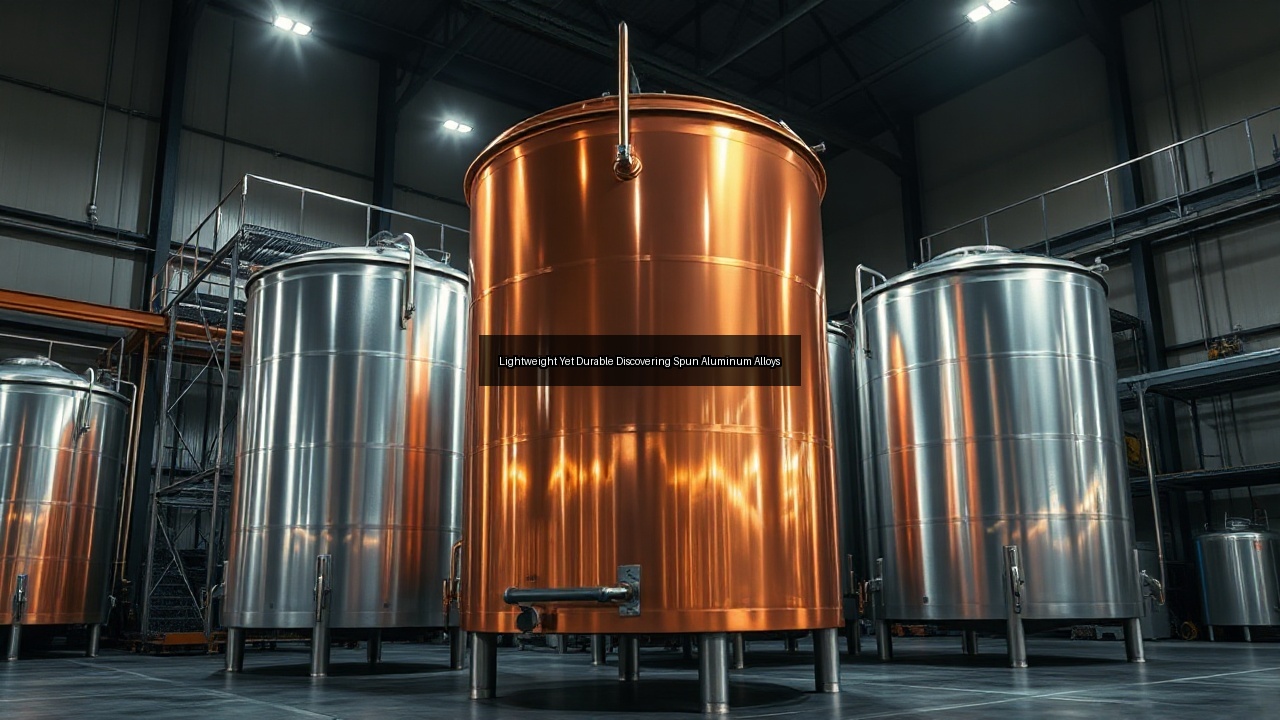
Spun aluminum plays a crucial role in tank manufacturing, particularly for applications requiring lightweight yet durable materials. Tanks made from spun aluminum exhibit exceptional strength-to-weight ratios, making them ideal for storage and transportation of liquids, gases, and other materials. The seamless construction eliminates weak points that could lead to leaks, ensuring the integrity of the stored contents. Industries such as chemicals and food processing rely on spun aluminum tanks for their resistance to corrosion and ability to withstand high pressures. The versatility of spun aluminum allows for custom designs tailored to specific operational needs, further enhancing its value in tank manufacturing.
Use of Spun Aluminum in Aerospace
The aerospace industry benefits significantly from the properties of spun aluminum. Aircraft components require materials that are both lightweight and strong, making spun aluminum a fitting choice. Its excellent fatigue resistance and ability to withstand extreme temperatures contribute to safety and performance in aviation applications. Spun aluminum is commonly used for fuel tanks, fairings, and other structural components. The ability to create complex shapes through metal spinning allows aerospace engineers to design components that optimize aerodynamics while minimizing weight, ultimately contributing to more efficient and reliable spinning aluminum alloy aircraft.
Innovative Uses in Art and Design
Spun aluminum has found a creative niche in the fields of art and design. Artists and designers leverage the unique characteristics of spun aluminum to create stunning sculptures, furniture, and decorative items. The smooth, seamless finishes achievable through the spinning process provide a modern aesthetic that complements various artistic visions. Additionally, the lightweight nature of spun aluminum allows for large installations that remain manageable. The versatility in design, combined with the material's inherent durability, makes spun aluminum a popular choice for contemporary art pieces and functional design elements alike.
Cost and Sustainability of Spun Aluminum
Comparing Costs: Spun Aluminum vs. Other Metals
When evaluating the cost of spun aluminum compared to other metals, several factors come into play. Spun aluminum often presents a more economical option due to its efficient manufacturing process and lower material waste. While the initial investment for tools and equipment may be higher, the long-term costs associated with maintenance and durability often favor spun aluminum products. Additionally, the lightweight properties of spun aluminum reduce transportation costs, adding further economic benefits. Industries seeking cost-effective, high-performance materials frequently favor spun aluminum over alternatives like steel or copper, especially for applications requiring mass production.
Sustainability Benefits of Using Aluminum
Aluminum is inherently a sustainable material, and spun aluminum products amplify these benefits. The recyclability of aluminum means that spun aluminum components can be repurposed at the end of their life cycle, reducing waste and environmental impact. The energy required to recycle aluminum is significantly lower than that needed for primary production, making it a more eco-friendly choice. The lightweight nature of spun aluminum also contributes to energy savings during transportation and installation. As industries increasingly prioritize sustainability, spun aluminum's advantages align perfectly with the global shift toward environmentally responsible practices.
Future Trends in Spun Aluminum Production
The future of spun aluminum production looks promising as advancements in technology enhance the capabilities of metal spinning. Innovations such as automated spinning processes and CNC machining are likely to increase efficiency and precision, allowing for even more complex designs and applications. Sustainability trends will continue to drive the demand for spun aluminum as industries seek eco-friendly alternatives. Additionally, the exploration of new aluminum alloys may lead to improved properties, expanding the range of spun metal aluminum applications for spun aluminum in sectors like automotive, aerospace, and beyond. As manufacturers embrace these trends, spun aluminum will remain a vital player in the metalworking landscape.