Top Hydrostatic Testing Companies Leading the Charge in Fluid Validation
Understanding Hydrostatic Testing and Its Importance
What is Hydrostatic Testing?
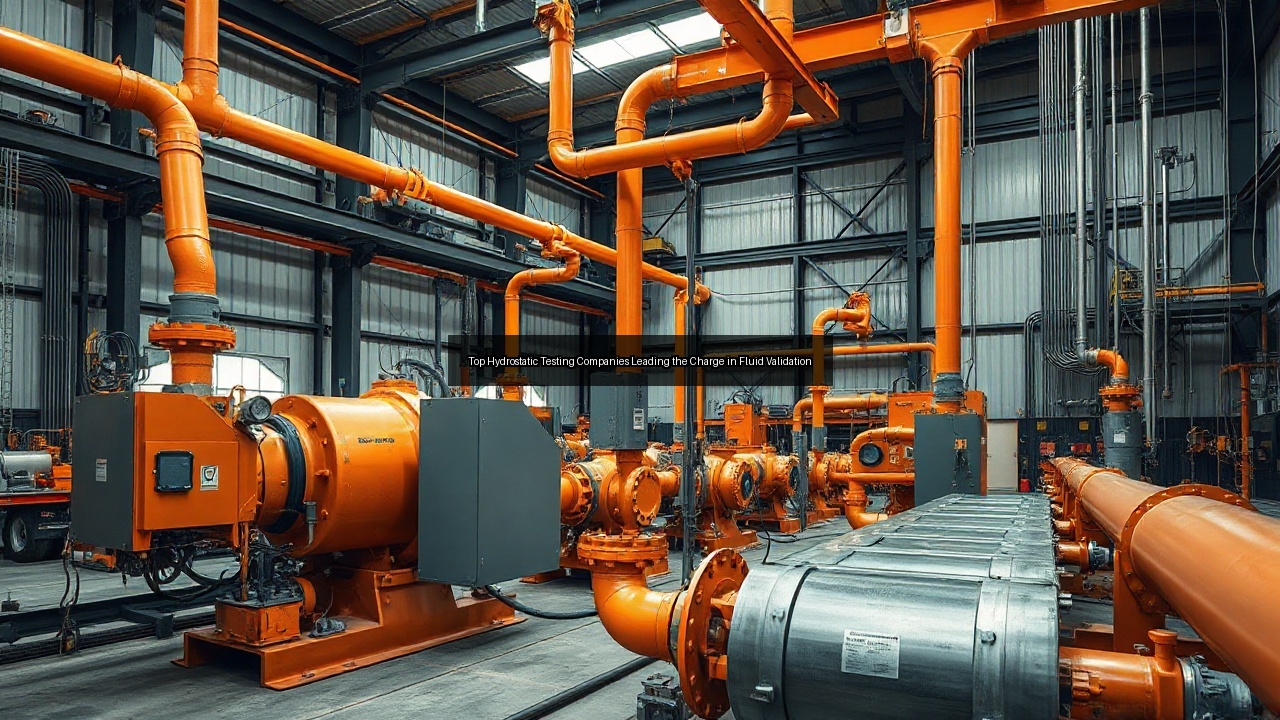
Hydrostatic testing companies fill pipelines, vessels, and tanks with liquid under controlled pressure to verify structural integrity. Technicians pump water or another fluid into the system, raise the pressure above normal operating levels, and monitor for leaks or deformations. This method detects weaknesses in welds and joints before equipment enters service. Firms that specialize in hydrostatic pressure testing maintain calibrated pumps, gauges, and safety protocols to ensure accurate results. Operators record pressure readings at set intervals and compare them against design specifications. Any drop signals a potential flaw that requires repair or replacement. Hydrostatic testing firms document every step for regulatory compliance and client records. The process typically begins with thorough cleaning of the system interior to remove debris that could mask leaks, followed by filling at low velocity to avoid air entrapment. Test pressures often reach 1.5 times the maximum allowable working pressure, held for durations ranging from four to twenty-four hours depending on system volume and applicable codes. Advanced instrumentation includes digital pressure transducers accurate to within 0.1 percent and temperature sensors that compensate for thermal expansion effects on fluid volume.
Key Applications in Various Industries
Oil and gas operators rely on hydrostatic testing companies to validate new pipelines and storage tanks. Chemical plants use the same process on reactors and heat exchangers that handle corrosive fluids. Construction teams test fire suppression systems and water mains in commercial buildings. Aerospace manufacturers subject fuel lines and hydraulic assemblies to pressure checks before installation in aircraft. Automotive suppliers apply hydro testing to fuel tanks and cooling circuits in vehicles. Energy facilities validate boiler tubes and pressure vessels that operate at extreme conditions. Each sector adapts the core procedure to match material tolerances and fluid compatibility requirements. In the pharmaceutical industry, for example, testing ensures sanitary piping maintains purity standards, while marine applications focus on ballast tanks and fuel bunkers exposed to saltwater environments. Municipal water utilities conduct annual tests on distribution networks to comply with EPA guidelines, often using potable water to avoid contamination risks during the procedure.
Importance of Fluid Validation in Safety Management
Proper fluid validation prevents catastrophic failures that endanger workers and the environment. Hydrostatic testing companies identify defects early, reducing the risk of leaks that could release oil, gas, or chemical substances. Safety management programs incorporate these tests into routine maintenance schedules. Regular validation confirms that pipelines and pressure equipment meet code requirements set by industry standards. Companies that perform hydrostatic pressure tests supply detailed reports that support insurance audits and regulatory inspections. Effective safety management depends on accurate data from these validations to prioritize repairs and extend asset life. Beyond immediate safety, validated equipment supports environmental stewardship by minimizing spill probabilities that could harm ecosystems. Historical incidents, such as pipeline ruptures in the 1990s, underscore how skipped or inadequate testing contributed to major incidents, prompting stricter enforcement of ASME and API requirements worldwide.
Top Hydrostatic Testing Companies in the Oil and Gas Industry
Leading Firms Specializing in Hydrostatic Pressure Testing
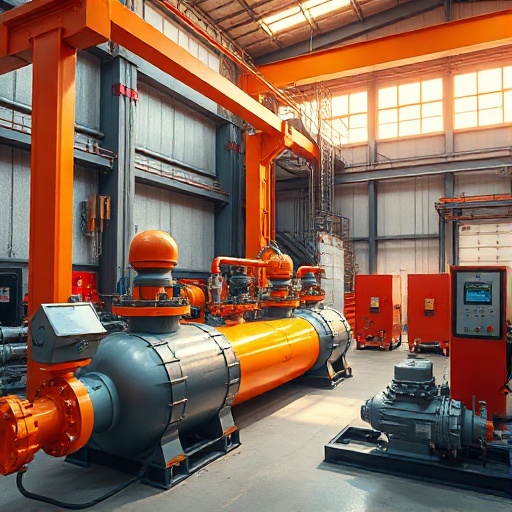
Several hydrostatic testing companies focus exclusively on oil and gas infrastructure. These firms maintain fleets of mobile testing units equipped with high-capacity pumps and data-logging systems. They serve operators across upstream, midstream, and downstream segments. Leading hydrostatic pressure test companies staff certified technicians who understand API and ASME standards. Clients select providers based on geographic coverage, equipment capacity, and turnaround time. Established firms invest in redundant safety systems that protect personnel during high-pressure operations. Their expertise covers both new construction and integrity assessments on aging assets. Many leading providers operate globally, with regional hubs in the Permian Basin, Gulf of Mexico, and Middle Eastern fields, enabling rapid mobilization for emergency integrity checks following seismic events or third-party damage.
Innovative Techniques Used by Top Companies
Top hydrostatic testing companies integrate digital sensors that transmit real-time pressure and temperature data to remote monitoring centers. They combine hydrostatic methods with acoustic emission monitoring to locate leaks without excavation. Some firms employ automated pressure ramping systems that reduce human error during test cycles. Nitrogen purging before and after testing prevents corrosion in pipelines carrying sour gas. Advanced hydrostatic testing firms use finite element analysis to predict stress points before physical testing begins. These techniques shorten downtime and improve detection rates for small defects in large-diameter pipelines. Additional innovations include ultrasonic thickness mapping integrated with pressure data to create comprehensive integrity profiles and AI-driven anomaly detection that flags subtle pressure deviations invisible to manual review.
Case Studies: Successful Hydrostatic Testing Projects
One hydrostatic testing company completed validation on a 200-mile crude oil pipeline in under three weeks by deploying multiple test crews. Pressure held steady across all segments, allowing immediate commissioning. Another firm performed hydrostatic pressure testing on offshore platform risers using seawater treated with corrosion inhibitors. The project confirmed weld integrity after storm damage repairs. In a chemical plant expansion, technicians validated 150 vessels and heat exchangers within schedule, preventing delays in startup. These cases demonstrate how specialized hydrostatic testing companies deliver reliable results under tight deadlines. A recent North Sea project involved testing 50 kilometers of subsea flowlines at 250 bar, where real-time telemetry enabled adjustments that saved two days of vessel time. Similarly, a major shale operator in Texas used modular test skids to complete 12 gathering lines simultaneously, accelerating first oil production by a full month.
Hydrostatic Testing in Construction and Infrastructure
Role of Hydrostatic Testing in Pipeline Integrity
Construction projects require hydrostatic testing companies to confirm that new pipelines withstand design pressures before burial or concealment. Crews isolate sections, fill them with water, and apply test pressure for a specified duration. Successful tests verify joint strength after welding operations. Pipeline integrity programs schedule periodic retesting on operating lines to detect corrosion or mechanical damage. Hydrostatic testing firms supply the equipment and personnel needed for these assessments. Accurate validation supports long-term reliability of water, gas, and oil distribution networks. In urban redevelopment zones, testing often occurs at night to minimize traffic disruption, with temporary bypass lines ensuring continuous service to customers during the process.
Challenges in Testing Construction Materials
Construction materials present unique challenges for hydrostatic testing companies. Large-diameter pipes require substantial water volumes and high-flow pumps. Temperature fluctuations during outdoor tests can affect pressure readings and require compensation calculations. Welded joints in carbon steel demand careful surface preparation to avoid false leak indications. Concrete-lined pipes need specialized end caps that seal without damaging the lining. Hydrostatic testing firms develop custom procedures for each material type to maintain test accuracy and safety. Fiberglass-reinforced plastic piping introduces additional variables, such as creep under sustained load, requiring extended hold periods and strain-gauge monitoring to ensure long-term performance.
Pneumatic vs. Hydrostatic Testing: A Comparative Analysis
Pneumatic testing uses compressed air or nitrogen, while hydrostatic testing relies on liquid. Hydrostatic methods reduce stored energy and lower explosion risk during failure. Pneumatic tests allow faster setup in remote locations without water access. However, hydrostatic testing companies prefer liquid for most pipeline applications because it provides clearer leak detection through visible seepage. Pneumatic testing suits small vessels where water weight poses handling issues. Many projects combine both approaches: pneumatic for initial checks and hydrostatic for final validation. Selection depends on system size, location, and applicable codes. Industry guidelines from ASME B31.3 often mandate hydrostatic testing for buried lines due to superior sensitivity, while pneumatic remains acceptable for above-ground piping under strict safety protocols including blast barriers and exclusion zones.
Emerging Technologies in Hydrostatic Testing
Integration of Mechanical Testing with Hydrostatic Methods
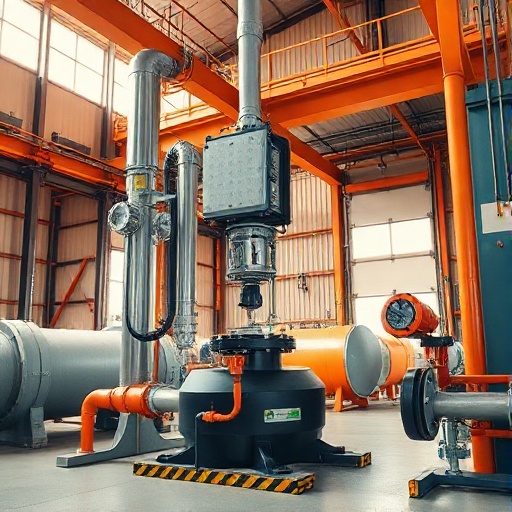
Modern hydrostatic testing companies combine mechanical testing such as hardness and tensile measurements with pressure validation. This integrated approach identifies material degradation that pressure tests alone might miss. Technicians perform hardness checks on exposed weld areas before applying hydrostatic pressure. Results feed into remaining-life calculations for pipelines and pressure vessels. Mechanical testing data helps prioritize sections that require more frequent hydro testing. Leading firms now deliver combined reports that satisfy both mechanical and pressure validation requirements in one mobilization. Portable hardness testers and in-situ metallographic replication further enhance this synergy, allowing on-site assessment without cutting samples from critical components.
The Role of Nitrogen in Hydrostatic Pressure Testing
Nitrogen serves multiple purposes in hydrostatic pressure testing workflows. Technicians use it to dry pipelines after water-based tests and to prevent internal corrosion. Some procedures introduce a nitrogen blanket above the liquid column to stabilize pressure readings. Nitrogen also enables safe depressurization without introducing oxygen that could react with residual fluids. Hydrostatic testing companies maintain on-site nitrogen generation units for remote projects. Proper nitrogen management improves test reliability and protects pipeline metallurgy during extended validation campaigns. In sour-service environments, nitrogen displacement followed by vacuum drying achieves dew points below -40 °C, virtually eliminating the risk of microbiologically influenced corrosion after testing.
Future Trends in Hydro Testing for Aerospace and Automotive Industries
Aerospace and automotive sectors drive demand for compact, high-precision hydro testing equipment. Hydrostatic testing companies develop portable units that fit inside assembly lines for vehicle fuel systems. Automated test sequences now integrate with robotic handling to reduce cycle times. Future trends include sensor arrays embedded in test fixtures that capture strain data alongside pressure. Aerospace manufacturers require traceable validation records for every component. Automotive suppliers seek rapid turnaround to support just-in-time production. These industries push hydrostatic testing firms to refine accuracy while minimizing fluid consumption and waste. Emerging additive-manufactured test manifolds and closed-loop water recycling systems are already reducing environmental footprints in high-volume production settings, aligning with sustainability mandates from major OEMs.
See Also
- Understanding Hydrostatic Pressure Testing and Its Impact on Mechanical Integrity
- The Role of Hydrostatic Testing in Construction and Energy Sectors
- A Comprehensive Guide to Choosing the Right Hydrostatic Testing Firm
- The Best Practices Adopted by Leading Hydrostatic Testing Experts
- Why Hydrostatic Testing is Crucial for Aerospace and Vehicle Safety